




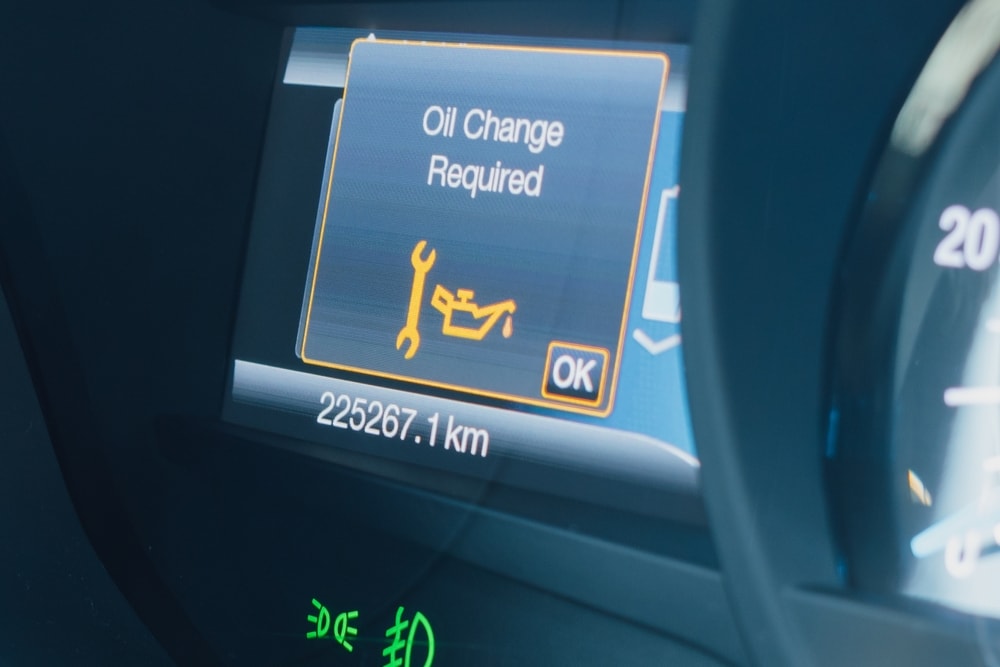
When it comes to keeping your Chrysler, Dodge, Jeep, or Ram running at its best, regular oil changes are key. While you may have heard the old rule of changing your oil every 3,000 miles, modern CDJR vehicles are equipped with advanced engines and oil monitoring systems that often allow you to go much longer between services. Still, driving habits, engine type, and even Florida’s heat can all affect how often your vehicle needs an oil change.
At Bay CDJR in Panama City, FL, we’re here to help local drivers cut through the confusion and understand what’s best for their vehicle. In this guide, we’ll break down how often your CDJR vehicle really needs an oil change, what factors impact oil life, and how staying on top of routine maintenance can help protect your engine for the long haul, whether you’re commuting around Panama City or heading out for a drive along the Gulf Coast.
Essential Oil Change Advice: When to Change Your Oil
1. Check Your Owner's Manual
Every CDJR model is unique, and you’ll find the most accurate advice, including oil change intervals and service recommendations, in your vehicle's owner's manual. To keep your vehicle running at its best, follow the intervals in your manual.
2. Don't Skip Changes, Even with Low Mileage
Even if you don't drive frequently, oil deteriorates over time. It's important to change your oil at least once a year, regardless of whether you've reached the 7,500–10,000-mile mark.
3. Ask a CDJR Specialist
If you’re unsure about the best service schedule for your vehicle, ask a member of our service team! We’ll ask about your typical driving conditions and frequency to provide personalized advice.
4. Check Oil Condition Frequently
Regularly check both the level and the consistency of your oil. Oil should be clear and amber-colored. If it’s dark or contaminated, it's a sign it's time for an oil change.
Indications That You Need an Oil Change
1. Visible Exhaust Smoke
Your vehicle should not produce visible exhaust fumes. If you see smoke from the tailpipe, that indicates the oil isn’t performing properly. Take your vehicle in for an oil change as soon as possible.
2. Rapidly Dropping Oil Level
If you notice your oil level dropping faster than usual, it may indicate a fault in the system. Have a technician inspect the vehicle to repair the issue and perform the necessary oil change.
3. Engine Noises
- Louder Engine: If your engine suddenly becomes louder, it may indicate an oil problem. Get your engine checked by a technician to repair any faults and replace the old oil.
- Ticking Sounds: If your Jeep makes a ticking noise when you start it, the oil texture may be degraded. This is a sign you need an oil change.
Factors That Impact Oil Life
Several factors can shorten your oil’s lifespan, including your driving habits, the environment, and the oil itself. Here’s how:
1. Driving Habits & Conditions
- Short Trips: When you take frequent short drives, your engine can’t reach full operating temperature, which can lead to moisture and harmful sludge buildup.
- Stop-and-Go Traffic: Constant heating and cooling cycles cause the oil to break down and deplete its protective additives faster.
- Aggressive Driving: Hard braking and acceleration, high speeds, and other aggressive driving practices put strain on the oil, causing additives to be consumed more quickly.
- Heavy Loads/Towing: Placing heavy stress on the engine during towing increases wear and requires more frequent oil changes.
2. Environmental Factors
- Extreme Heat: High temperatures cause oil to oxidize, lose viscosity, and evaporate more quickly.
- Extreme Cold: Cold weather thickens the oil at startup, reducing lubrication and increasing engine wear. It also promotes condensation within the engine.
- Dusty/Dirty Conditions: Dirt and dust can bypass air filters, contaminating the oil and causing wear on internal engine parts.
3. Oil & Engine Factors
- Oil Type: The type of oil you use in your vehicle matters. Synthetic oils typically last longer and maintain performance better than conventional oils.
- Oil Contamination: Soot, unburned fuel, and tiny metal shavings from normal engine wear accumulate in your oil. This puts strain on the filter, making it difficult for the oil to do its job properly.
- Oxidation & Additive Depletion: Oxygen chemically breaks down the oil's base components, and the protective additives like detergents and antioxidants are naturally consumed over time, reducing overall engine protection.
- Time/Age: Even when a vehicle is idle, oil degrades over time and can accumulate condensation. This is why we recommend oil changes every 6-12 months, regardless of mileage.
Recommended Intervals
Once upon a time, 3,000 miles was the recommended oil change interval. Most modern vehicles can go 5,000 to 7,000 miles between oil changes, but it’s best to talk to one of our CDJR maintenance specialists about what interval works for you and your vehicle.
Keep Your CDJR Engine Running Strong with Bay CDJR
Staying on top of oil changes is one of the easiest, but most important ways to protect your Chrysler, Dodge, Jeep, or Ram.
When it’s time for your next oil change, the service team at Bay CDJR in Panama City, FL, is here to help. Our factory-trained technicians use quality oil and genuine parts to keep your vehicle running at its best. Schedule your oil change with Bay CDJR today and drive with confidence!