




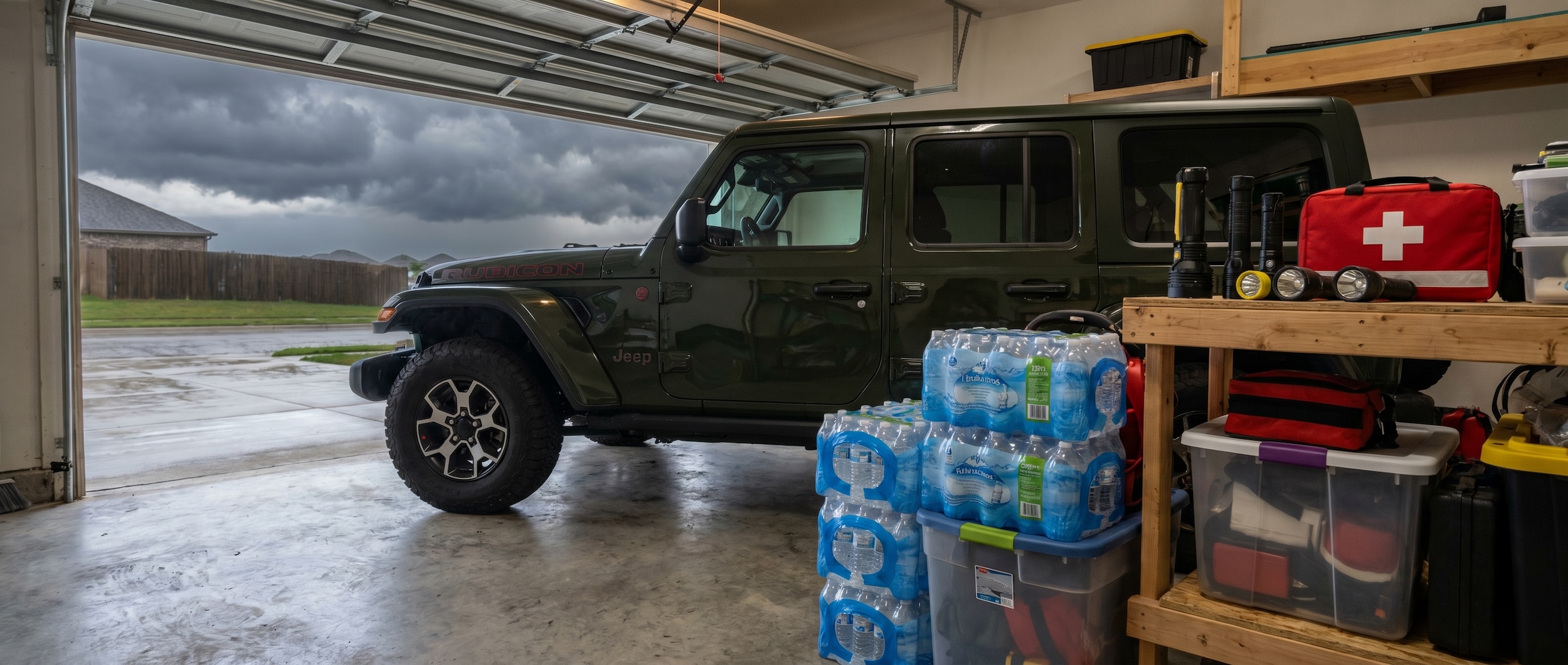
Your vehicle becomes a lifeline during hurricane season in Panama City, FL - but only if it's properly prepared before the storm arrives. With the Gulf Coast experiencing an average of 2-3 major storms each season, protecting your Dodge®, Chrysler®, Jeep®, or Ram® requires specific preparation steps that many drivers overlook until it's too late. From waterproofing critical components to understanding which safety features could save your life during evacuation, this guide covers everything Northwest Florida drivers need to know about hurricane-proofing their vehicles.
Pre-Storm Vehicle Inspection Checklist
A thorough inspection 48 hours before landfall can mean the difference between a successful evacuation and being stranded on Highway 98. Start with your battery - corrosion around terminals accelerates in Florida's humidity and can leave you without power when you need it most.
Essential Systems to Check:- Battery terminals and connections
- Brake fluid levels and responsiveness
- Tire tread depth (minimum 4/32" for wet conditions)
- Windshield wipers and fluid reservoir
- All exterior lights including hazards
- Cooling system and antifreeze levels
- Power steering fluid
Your Ram 1500's electronic systems are particularly vulnerable to water intrusion. Check all door and window seals by running a garden hose over them - any leaks now will become major problems during horizontal rain. The undercarriage inspection is equally critical, especially if you've driven through standing water recently near St. Andrews Bay or after heavy rains around Frank Brown Park.
Don't forget to document your vehicle's condition with photos from all angles. These images become invaluable for insurance claims if storm damage occurs, particularly for residents who park near flood-prone areas like Beach Drive or Thomas Drive.
Essential Emergency Supplies for Your Vehicle
Building a comprehensive emergency kit takes more than grabbing a flashlight and bottled water. Your Jeep Cherokee or Grand Cherokee needs supplies that address both evacuation scenarios and the possibility of being stranded for extended periods.
Vehicle Emergency Kit Essentials:- [ ] Jumper cables (minimum 16-foot length)
- [ ] Portable tire inflator and sealant
- [ ] Multi-tool with knife and screwdrivers
- [ ] Emergency reflective triangles
- [ ] Heavy-duty tow strap (20,000 lb capacity for trucks)
- [ ] Waterproof document holder for registration/insurance
- [ ] Cash in small bills ($200 minimum)
- [ ] Paper maps of Florida and adjacent states
The Chrysler Pacifica's spacious interior makes it ideal for carrying additional supplies for family evacuations. Store a separate container with non-perishable food, medications, and comfort items for children. Position heavier items low in the cargo area to maintain vehicle stability during high-wind conditions.
Communication equipment deserves special attention. Cell towers often fail during major storms, so include a battery-powered weather radio and consider a portable CB radio for traffic updates. Many Panama City residents learned this lesson during Hurricane Michael when cellular service disappeared for weeks in some areas.
Protecting Your Vehicle from Water Damage
Water intrusion causes more hurricane-related vehicle damage than wind in coastal areas like Bay County. Understanding how to waterproof your vehicle's vulnerable points can save thousands in repair costs and keep critical systems functioning during evacuation.
Start with the air intake system - your engine's most vulnerable point. The Jeep Wrangler's higher intake position offers natural protection, but sedan owners need extra precautions. Never attempt to drive through water deeper than your wheel hubs, regardless of vehicle type.
| Vehicle Type | Safe Water Depth | Critical Vulnerable Points |
|---|---|---|
| Sedans (Chrysler 300) | 6-8 inches | Door seals, trunk seal, air intake |
| SUVs (Jeep Grand Cherokee) | 10-12 inches | Differentials, transmission breather |
| Trucks (Ram 2500) | 12-18 inches | Bed drain plugs, electrical connections |
Apply dielectric grease to all electrical connections under the hood, paying special attention to the alternator, starter, and fuse box connections. This silicone-based protectant prevents corrosion and maintains conductivity even after water exposure. Focus on ground connections, which commonly fail after flooding and cause mysterious electrical problems weeks later.
Moving your vehicle to higher ground remains the best protection strategy. Residents near Camp Helen State Park or anywhere along Highway 30A should identify elevation changes in their area before storm season. Even a few feet of elevation can make the difference between minor water exposure and total loss.
Post-Storm Vehicle Safety Assessment
The danger doesn't end when the storm passes - flood-damaged vehicles pose serious safety risks that aren't always visible. Before starting your Dodge Durango or any vehicle that experienced water exposure, complete a systematic safety check that could prevent catastrophic mechanical failure.
Immediate Post-Storm Inspection Steps: Step 1: Exterior AssessmentCheck for debris lodged in the undercarriage, wheel wells, or grille. Storm surge often carries sand and organic material that blocks cooling systems and causes overheating.
Step 2: Fluid InspectionPull all dipsticks and check for milky or foamy appearance indicating water contamination. This includes engine oil, transmission fluid, brake fluid, and power steering fluid.
Step 3: Electrical System TestBefore turning the ignition, disconnect the battery and inspect for corrosion or moisture. Test all lights, signals, and accessories before attempting to start the engine.
Salt water exposure from Gulf storms requires immediate attention. The corrosive effects begin within hours and can destroy electrical systems within days. If your vehicle shows any signs of saltwater intrusion - white residue, corroded terminals, or a distinct ocean smell - professional inspection becomes mandatory.
Brake systems demand extra scrutiny after storms. Water contamination in brake lines creates a spongy pedal feel and dramatically increases stopping distances. Test brakes at low speed in a safe area before returning to normal driving, especially important for heavy vehicles like the Ram 3500 that require longer stopping distances.
Common Questions About Hurricane Season Prep for Your Jeep, Dodge, Chrysler, or Ram in Panama City, FL
How early should I start hurricane preparations for my vehicle in Panama City?
Begin vehicle preparations by June 1st when hurricane season officially starts for Panama City and the Gulf Coast. Complete your initial inspection and emergency kit assembly before storms enter the Gulf, as parts and supplies become scarce once tropical systems threaten. Most experienced Bay County residents maintain their hurricane supplies year-round and simply refresh perishable items each spring.
What hurricane-force wind speed can a Jeep Wrangler safely handle while parked?
A properly parked Jeep Wrangler can withstand sustained winds up to 110-120 mph without flipping, though debris damage may still occur. Park with the front facing into predicted wind direction, engage the parking brake fully, and consider using wheel chocks for added stability. Never rely on your vehicle as shelter during hurricane-force winds regardless of its weight or design.
Where are the safest parking locations during a hurricane in Panama City, FL?
The safest parking locations in Panama City include the upper levels of reinforced parking garages like those at Gulf Coast Regional Medical Center or the parking structures near Pier Park. Avoid areas prone to storm surge like the Marina District or anywhere south of Highway 98, and stay clear of large trees that could fall onto vehicles. Many residents successfully use the Florida State University Panama City campus parking areas due to their elevation and distance from the coast.
Does comprehensive insurance cover hurricane damage for vehicles in Florida?
Comprehensive insurance typically covers hurricane-related damage including flooding, wind damage, and falling objects, but policies vary significantly between providers. Review your specific coverage before hurricane season, paying attention to deductibles and exclusions for storm surge versus fresh water flooding. Many Panama City drivers discovered after Hurricane Michael that their policies had separate hurricane deductibles ranging from 2-5% of the vehicle's value.
How long should I wait after flooding to start my Ram truck?
Wait at least 24-48 hours after flood exposure before attempting to start your Ram truck, allowing time for thorough inspection and drying. Check the air filter first - if it's wet, water has likely entered the engine and starting could cause hydrolock and catastrophic damage. Professional inspection is strongly recommended for any vehicle exposed to flooding, especially saltwater from storm surge.
What emergency supplies are legally required in vehicles during hurricane evacuation in Florida?
Florida law doesn't mandate specific emergency supplies in vehicles during evacuation, but law enforcement strongly recommends carrying identification, vehicle registration, insurance documents, and sufficient fuel. Bay County emergency management suggests adding portable phone chargers, cash, water, and basic first aid supplies. Keep important documents in waterproof containers as rain often continues during evacuation routes become congested.
Your Hurricane-Ready Vehicle Starts Here
Protecting your Chrysler, Dodge, Jeep, or Ram from hurricane damage requires preparation, the right knowledge, and quick action when storms threaten the Gulf Coast. By completing pre-storm inspections, stocking proper emergency supplies, and knowing how to assess post-storm damage, you're taking control of your family's safety during Panama City's most dangerous weather events. The team at Bay Chrysler Dodge Jeep Ram understands the unique challenges our coastal community faces during hurricane season and stands ready to help with pre-storm service needs and post-storm recovery support.