




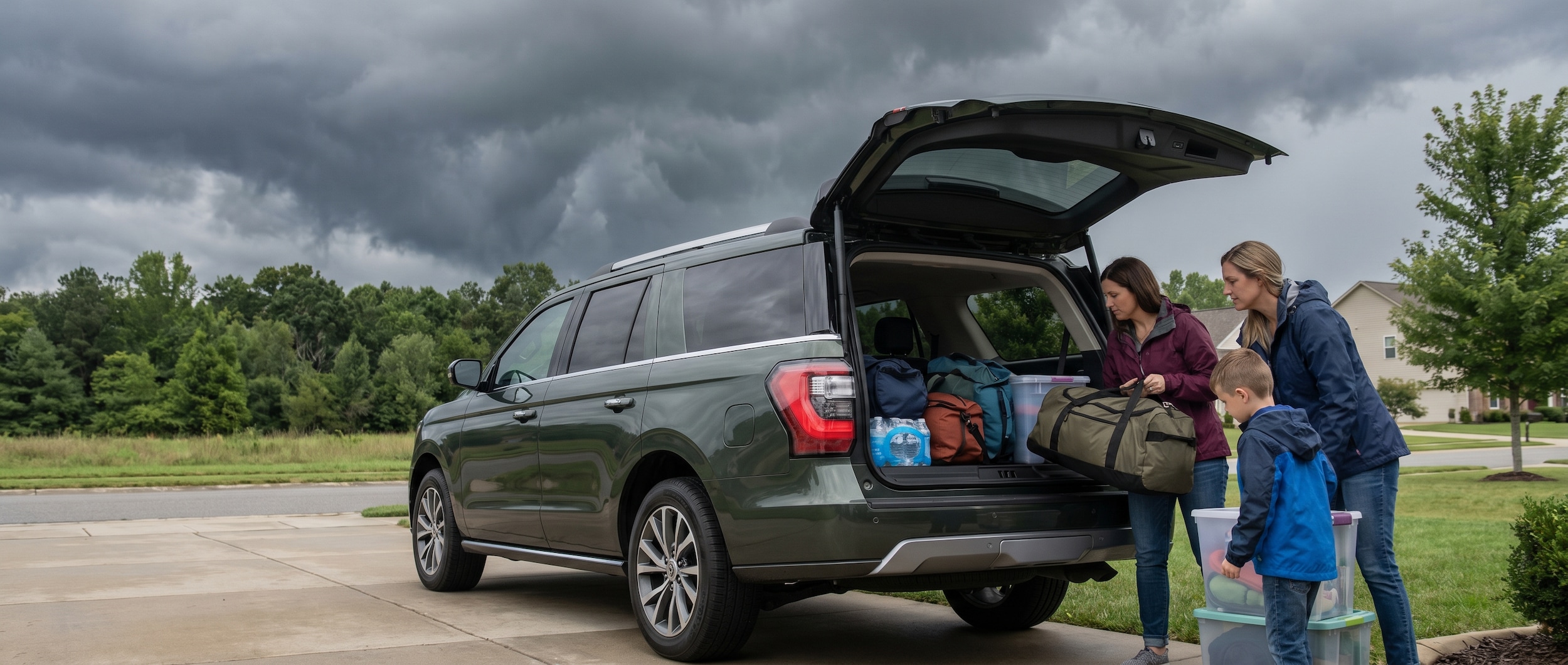
Living along the Gulf Coast means hurricane preparedness isn't optional - it's essential survival knowledge that every Panama City, FL resident needs before June arrives. When evacuation orders come, having the right vehicle equipped with crucial features can mean the difference between a smooth departure and dangerous delays on crowded highways.
Understanding Panama City's Primary Evacuation Routes
Highway 231 North remains the primary evacuation corridor for Bay County residents, capable of moving 1,800 vehicles per hour during contraflow operations when both sides handle northbound traffic. This route connects directly to Dothan, Alabama, providing the fastest path away from storm surge zones. The 100-mile stretch typically takes 90 minutes under normal conditions but can extend to 4-6 hours during mandatory evacuations.
The Florida Department of Transportation activates three main evacuation routes from our area:
- Highway 231 North: Direct route to Dothan and Montgomery
- Highway 77 North: Alternative path through Chipley to I-10
- Highway 98 East: Coastal route toward Tallahassee (use only if storm track allows)
Residents of Lynn Haven, FL should plan to access Highway 77 via Highway 390, while those in Panama City Beach, FL face longer evacuation times due to limited bridge access across the bay. The Hathaway Bridge becomes a critical chokepoint, often backing up for miles when evacuation orders trigger.
Smart evacuation planning starts 72 hours before predicted landfall. Fill your fuel tank when watches are issued - gas stations along evacuation routes typically run dry within 24 hours of mandatory orders. The Jeep Grand Cherokee's 24.6-gallon fuel tank provides up to 500 miles of highway range, enough to reach Atlanta without refueling.
Critical Vehicle Features for Hurricane Evacuation
Your vehicle becomes a lifeline during hurricane evacuation, and certain features transform from conveniences to necessities when navigating storm conditions. All-wheel drive provides essential traction on rain-slicked roads where standing water can accumulate faster than drainage systems can handle.
The RAM 1500's available 4x4 system offers multiple advantages during evacuation:
- Enhanced stability in 40+ mph crosswinds
- Improved traction through flooded intersections
- Better control when hydroplaning occurs
- Increased ground clearance for debris navigation
Beyond drivetrain considerations, your evacuation vehicle needs substantial cargo capacity. The average family of four requires approximately 40 cubic feet of cargo space for a 5-day evacuation kit including water, non-perishable food, medications, important documents, and basic supplies. The Chrysler Pacifica offers 140.5 cubic feet with seats folded, while the Dodge Durango provides 84.5 cubic feet of maximum cargo space.
Towing capability becomes crucial if you're evacuating with boats, trailers, or helping neighbors transport belongings. The RAM 2500 can tow up to 17,540 pounds, sufficient for most boats and travel trailers that coastal residents commonly own.
- Full-size spare tire (not temporary donut)
- Roof rails or hitch for cargo carriers
- Multiple USB ports for device charging
- Reliable air conditioning system
- Working windshield wipers and defrosters
- Properly inflated tires with good tread depth
Pre-Storm Vehicle Preparation Timeline
Seven days before predicted landfall marks the beginning of your vehicle preparation window. Start by scheduling any needed maintenance - attempting repairs becomes nearly impossible once evacuation orders issue. Check our pre-owned inventory for reliable evacuation-ready vehicles if your current vehicle has concerning issues.
One Week Before Storm
Perform complete vehicle inspection including:
- Battery test (summer heat weakens batteries)
- Brake inspection for wet weather stopping
- Tire pressure and tread depth check
- Fluid levels including windshield washer
- Air filter replacement if needed
72 Hours Before Storm
- Fill fuel tank completely
- Purchase extra fuel containers (follow safety guidelines)
- Load emergency supplies in vehicle
- Program multiple destination addresses in GPS
- Test all vehicle features
48 Hours Before Storm
Your Dodge Journey or similar SUV should be fully loaded with supplies organized for easy access. Place frequently needed items like snacks, water, and first aid supplies within reach of the driver. Heavier items go on the vehicle floor to maintain stability.
24 Hours Before Storm
Final preparations include topping off fuel one last time, checking tire pressure again (heat from loaded cargo can increase PSI), and securing any roof-mounted cargo. The Jeep Wagoneer's hands-free liftgate proves invaluable when loading last-minute items with arms full.
Strategic Timing for Safer Evacuation
Evacuation timing can reduce your travel time by 50% or more. Historical traffic data from previous hurricanes shows clear patterns Bay County residents should understand. The worst congestion occurs 18-24 hours after mandatory evacuation orders, when procrastinating residents finally join the exodus.
Callaway, FL residents face unique challenges accessing major evacuation routes. Highway 22 becomes severely congested at its intersection with Highway 231, creating multi-hour delays. Leave before dawn to avoid this bottleneck, or consider alternate routes through Southport, FL via Highway 77.
The Florida Division of Emergency Management recommends these departure windows:
Zone A Residents
(Immediate coastal areas including Panama City Beach)
Voluntary evacuation: Depart within 12 hours
Mandatory evacuation: Depart within 6 hours
Best departure time: 3-6 AM to avoid peak traffic
Zone B Residents
(Areas near St. Andrews Bay)
Monitor Zone A traffic before departing
Typical safe window: 6-12 hours after Zone A
Avoid departing during Zone C exodus
Zone C-E Residents
(Inland areas)
May not require evacuation for Category 1-2 storms
Monitor storm track changes carefully
Have vehicle ready but avoid unnecessary evacuation
Consider your destination carefully. Dothan hotels fill within hours of evacuation orders. Montgomery offers more availability but requires 3+ hours of driving. The Chrysler Pacifica's advanced driver assistance features reduce fatigue during these extended drives through unfamiliar territory.
Real-time traffic monitoring becomes essential. The Uconnect system in current Dodge models provides live traffic updates, helping identify when alternate routes might save hours. During Hurricane Michael, drivers who switched from Highway 231 to Highway 77 often reached destinations 2 hours faster.
Common Questions About Hurricane Evacuation From Panama City, FL
How early should I leave Panama City, FL when a hurricane evacuation is ordered?
Leave within 6 hours of mandatory evacuation orders for coastal zones, or within 12 hours for inland areas. Zone A residents near the beach should depart immediately upon mandatory orders, while Lynn Haven and Callaway residents have slightly more time. Monitor traffic conditions and leave earlier if possible.
Which RAM or Jeep models work best for hurricane evacuation?
The RAM 1500 and Jeep Grand Cherokee excel for evacuation with their combination of cargo space, fuel capacity, and all-weather capability. The RAM offers superior towing capacity for boats or trailers, while the Grand Cherokee provides better fuel economy for long-distance evacuation. Both feature 4x4 systems ideal for storm conditions.
What emergency supplies should I keep in my Chrysler Pacifica year-round?
Store these essentials in your Chrysler Pacifica throughout hurricane season: jumper cables, basic tools, first aid kit, flashlight with extra batteries, phone chargers, emergency water and snacks, rain gear, and paper maps of evacuation routes. The Pacifica's Stow 'n Go seating creates hidden storage compartments perfect for emergency supplies.
Where can I find real-time evacuation route conditions from Panama City, FL?
FL511.com provides real-time traffic conditions for all major evacuation routes from Bay County. The Uconnect system in Dodge and Chrysler vehicles also displays live traffic data. Local radio station WJHG (850 AM) broadcasts continuous evacuation updates during storm threats.
How much fuel should I plan for evacuating from Panama City Beach, FL?
Plan for double your normal fuel consumption during evacuation due to stop-and-go traffic. A typical evacuation to Montgomery requires 3-4 tanks of gas in heavy traffic versus one tank normally. The Jeep Wagoneer's large fuel tank provides extra range, but still carry approved fuel containers for emergencies.
Does Bay Chrysler Dodge Jeep Ram offer pre-storm vehicle inspections?
Yes, schedule service before hurricane season for a complete vehicle inspection including battery, brakes, tires, and all fluid levels. Proper maintenance before storm season prevents breakdowns during critical evacuation periods when help may be unavailable.
Your Hurricane Season Vehicle Ready Plan
Hurricane preparedness extends beyond gathering supplies - your vehicle needs the same careful attention to serve as a reliable escape route when storms threaten Panama City. Whether you're navigating flooded streets near St. Andrews Bay or joining thousands of evacuees on Highway 231, having the right vehicle properly equipped makes a critical difference.
Take action now during the calm before storm season. Inspect your current vehicle's evacuation readiness, from cargo capacity to mechanical reliability. If upgrades are needed for your family's safety, explore models designed for our coastal challenges. The experienced team at Bay Chrysler Dodge Jeep Ram understands the unique demands Gulf Coast weather places on vehicles and can guide you toward the ideal evacuation-ready option for your family's needs.