




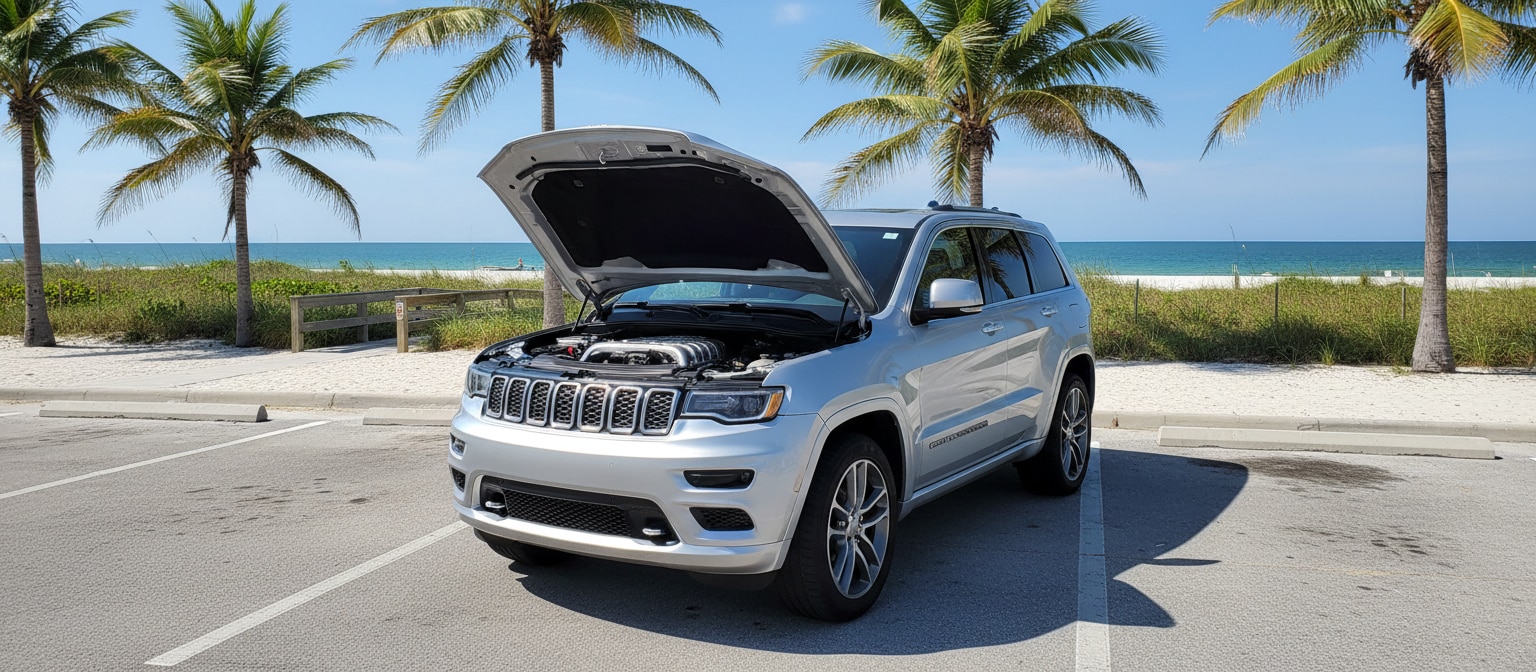
Florida's scorching summer temperatures can push your engine to its limits, especially when the thermometer climbs above 95°F for weeks on end. Panama City, FL residents know that preparing your Chrysler, Dodge, Jeep, or Ram vehicle before peak summer arrives isn't just smart maintenance - it's essential for preventing costly breakdowns when you need your vehicle most. Understanding how extreme heat affects your engine and taking preventive steps now will keep you confidently cruising past St. Andrews State Park or heading to Pier Park all summer long.
Why Florida Heat Is Particularly Hard on Engines
Your engine generates tremendous heat during normal operation, but when ambient temperatures soar above 90°F, your cooling system works overtime just to maintain safe operating temperatures. Here in Bay County, where humidity regularly exceeds 70% and afternoon thunderstorms create steam-bath conditions, engines face unique challenges that northern vehicles never experience.
The combination of salt air from the Gulf, intense UV radiation, and extreme heat creates a triple threat for engine components. Rubber hoses deteriorate faster, fluids break down more quickly, and metal parts expand beyond their optimal tolerances.
Key heat-related engine risks include:
- Coolant system failure from overworked components
- Oil breakdown leading to inadequate lubrication
- Battery fluid evaporation and terminal corrosion
- Belt and hose deterioration from UV exposure
- Increased strain on air conditioning systems
When you factor in stop-and-go traffic on Highway 98 during tourist season, your engine faces even greater stress from inadequate airflow and extended idling.
Essential Pre-Summer Engine Checks for Your Chrysler, Dodge, Jeep, or Ram
Before temperatures spike, conducting these essential checks will help your engine handle whatever the Florida summer throws at it. Each inspection targets components most vulnerable to heat damage.
Cooling System Inspection Checklist:
- ✓ Check coolant levels and condition
- ✓ Inspect radiator for debris or damage
- ✓ Test radiator cap pressure rating
- ✓ Examine hoses for cracks or soft spots
- ✓ Verify thermostat operation
- ✓ Clean condenser fins
Your Ram 1500's heavy-duty cooling system needs special attention if you tow boats to the marina or haul equipment for beach cleanups. The added strain from towing in high temperatures demands pristine cooling system condition.
For electrical components, heat accelerates chemical reactions inside your battery, potentially shortening its life by 50% compared to moderate climates. Check battery terminals for corrosion - that white or green buildup restricts current flow and makes your alternator work harder.
Coolant System: Your First Line of Defense
Your coolant system serves as the primary defense against engine overheating, circulating specialized fluid through passages to absorb and dissipate heat. In Florida's climate, this system works harder than almost anywhere else in the country.
| Component | Check Frequency | Warning Signs | Panama City Service Interval |
|---|---|---|---|
| Coolant Level | Weekly | Low reservoir level | Top off as needed |
| Coolant Quality | Every 3 months | Rusty or muddy color | Flush every 2 years |
| Radiator Cap | Annual | Coolant leaks, overheating | Replace every 4 years |
| Thermostat | Every 60,000 miles | Temperature fluctuations | Replace with coolant service |
| Water Pump | Every 90,000 miles | Coolant leaks, noise | Replace with timing belt |
The 50/50 mixture of antifreeze and water does more than prevent freezing - it raises the boiling point and contains corrosion inhibitors that protect aluminum engine components. Your Jeep Grand Cherokee's aluminum cylinder heads particularly benefit from fresh coolant's protective properties.
Never remove a radiator cap when the engine is hot. Wait at least 30 minutes after shutdown, then use a rag to slowly release pressure. Panama City Beach residents heading home after a day at the shore should let their engines cool completely before checking coolant levels.
The Critical Role of Engine Oil in Extreme Heat
Engine oil becomes even more critical when temperatures soar, as heat causes conventional oil to thin and lose its protective properties faster than normal. Your engine relies on proper oil viscosity to maintain the microscopic film between moving parts that prevents metal-to-metal contact.
Heat's impact on engine oil:
- Accelerates oxidation and sludge formation
- Reduces viscosity leading to inadequate protection
- Increases oil consumption through evaporation
- Breaks down additives that prevent wear
For Dodge Challenger and Charger owners who enjoy spirited driving on Highway 77, synthetic oil becomes even more important. High-performance driving combined with ambient heat pushes oil temperatures to extreme levels.
The Chrysler Pacifica, popular with Bay County families for beach trips, benefits from more frequent oil changes during summer months. Consider reducing intervals from 6,000 miles to 4,500 miles when temperatures consistently exceed 90°F.
Check out our new inventory to see models equipped with advanced oil monitoring systems that adjust service intervals based on driving conditions.
Battery Care: Often Overlooked but Crucial
Heat kills batteries faster than cold, yet many drivers focus on winter battery care while ignoring summer's devastating effects. Florida's extreme temperatures accelerate the chemical reaction inside batteries, causing water to evaporate from the electrolyte and leading to internal damage.
Your battery loses approximately 50% of its capacity for every 15°F increase above 77°F. When parking lots in Lynn Haven reach 140°F surface temperatures, under-hood temperatures can exceed 200°F, creating brutal conditions for your battery.
Summer battery maintenance steps:
- Clean terminals monthly with baking soda solution
- Check electrolyte levels in non-sealed batteries
- Test battery voltage and load capacity
- Secure battery to prevent vibration damage
- Park in shade when possible
Modern Ram trucks equipped with dual batteries for high electrical demands need both batteries maintained equally. Mismatched battery conditions can cause premature failure of both units.
When to Schedule Professional Maintenance
While many engine protection tasks fall within DIY capabilities, certain maintenance requires professional expertise and specialized equipment. Knowing when to seek professional help prevents small issues from becoming major repairs during peak summer heat.
Schedule professional service for:
- Coolant system pressure testing
- Air conditioning performance checks
- Computerized engine diagnostics
- Timing belt inspection and replacement
- Transmission fluid service
- Comprehensive multipoint inspections
The service technicians at your local dealership understand Bay County's unique climate challenges. They'll inspect components that commonly fail in our environment, like serpentine belts degraded by UV exposure and radiator fins clogged with love bugs.
Spring timing gives you weeks to address any issues before summer's peak heat arrives. Don't wait until your temperature gauge creeps toward the red zone on a sweltering afternoon stuck in beach traffic.
Local Driving Conditions That Stress Your Engine
Bay County's unique geography creates specific challenges for engine cooling that drivers from other regions might not anticipate. From beach sand to afternoon thunderstorms, local conditions demand extra vigilance.
Sand infiltration poses a particular threat near coastal areas like Mexico Beach and Cape San Blas. Fine sand particles can clog radiator fins, reducing cooling efficiency by up to 30%. Regular radiator cleaning becomes essential for vehicles frequently driven near beaches.
Afternoon thunderstorms create another challenge - rapid temperature changes stress engine components while high humidity reduces cooling efficiency. Water puddles on Front Beach Road can splash onto hot engine parts, potentially causing thermal shock to components.
Local hazards to monitor:
- Salt spray corrosion on cooling system parts
- Love bug accumulation blocking airflow
- Construction dust from development projects
- Stop-and-go traffic during tourist season
Your Jeep Wrangler's open-air design makes it particularly susceptible to environmental contamination. Consider more frequent air filter changes and radiator cleanings if you enjoy doorless beach cruising.
Explore our pre-owned inventory for vehicles with proven reliability in Florida's challenging climate.
Common Questions About Engine Protection in Panama City, FL
How often should I check my coolant levels in Florida's heat?
Check coolant levels weekly during summer months in Panama City, FL, and always when the engine is cold. Florida's extreme heat causes faster evaporation than normal climates, making frequent monitoring essential for preventing overheating on highways like Highway 231.
What's the best oil weight for my Ram 1500 in Bay County summers?
Use 5W-30 synthetic oil for optimal protection in Bay County's hot climate. This weight maintains proper viscosity at high temperatures while providing excellent flow during morning starts, perfect for towing boats to St. Andrews Marina.
Does parking in shade really make a difference for engine temperature?
Parking in shade can reduce under-hood temperatures by 40-50 degrees Fahrenheit. This significant reduction helps preserve battery life, prevents fluid evaporation, and reduces stress on rubber components, especially important when visiting Pier Park's sun-baked parking lots.
Should I upgrade my radiator if I tow frequently in Florida?
Heavy towing in Florida heat often requires upgraded cooling capacity. Consider an auxiliary transmission cooler and larger radiator if you regularly tow boats or RVs, especially on steep grades near Econfina Creek or DeFuniak Springs.
How do I know if my thermostat is failing before summer?
Watch for temperature gauge fluctuations, poor heater performance, or engine running cooler than normal. A stuck-open thermostat prevents proper warm-up, while a stuck-closed thermostat causes rapid overheating - both requiring immediate attention before Panama City's summer heat arrives.
Can I mix different coolant types in an emergency?
Avoid mixing coolant types except in true emergencies. Different formulations can react negatively, reducing protection and potentially causing system damage. Keep the correct coolant type for your Chrysler, Dodge, Jeep, or Ram in your garage for proper top-offs.
Protecting Your Investment Through Summer and Beyond
Taking proactive steps to protect your engine from Florida's intense heat pays dividends through improved reliability, better fuel economy, and extended vehicle life. The time invested in pre-summer maintenance saves money and prevents inconvenient breakdowns when temperatures soar.
Your engine works hard to keep you comfortable while battling Bay County's extreme conditions. Return the favor with proper maintenance that ensures years of dependable service. Whether you're commuting to Tyndall Air Force Base or enjoying a weekend at Shell Island, confidence in your vehicle's reliability makes every journey more enjoyable.
Ready to ensure your engine survives another scorching Florida summer? The experienced service team at Bay Chrysler Dodge Jeep Ram understands exactly what your vehicle needs to handle our unique climate challenges. Our technicians will inspect every critical component and recommend services that keep you rolling reliably all summer long.