




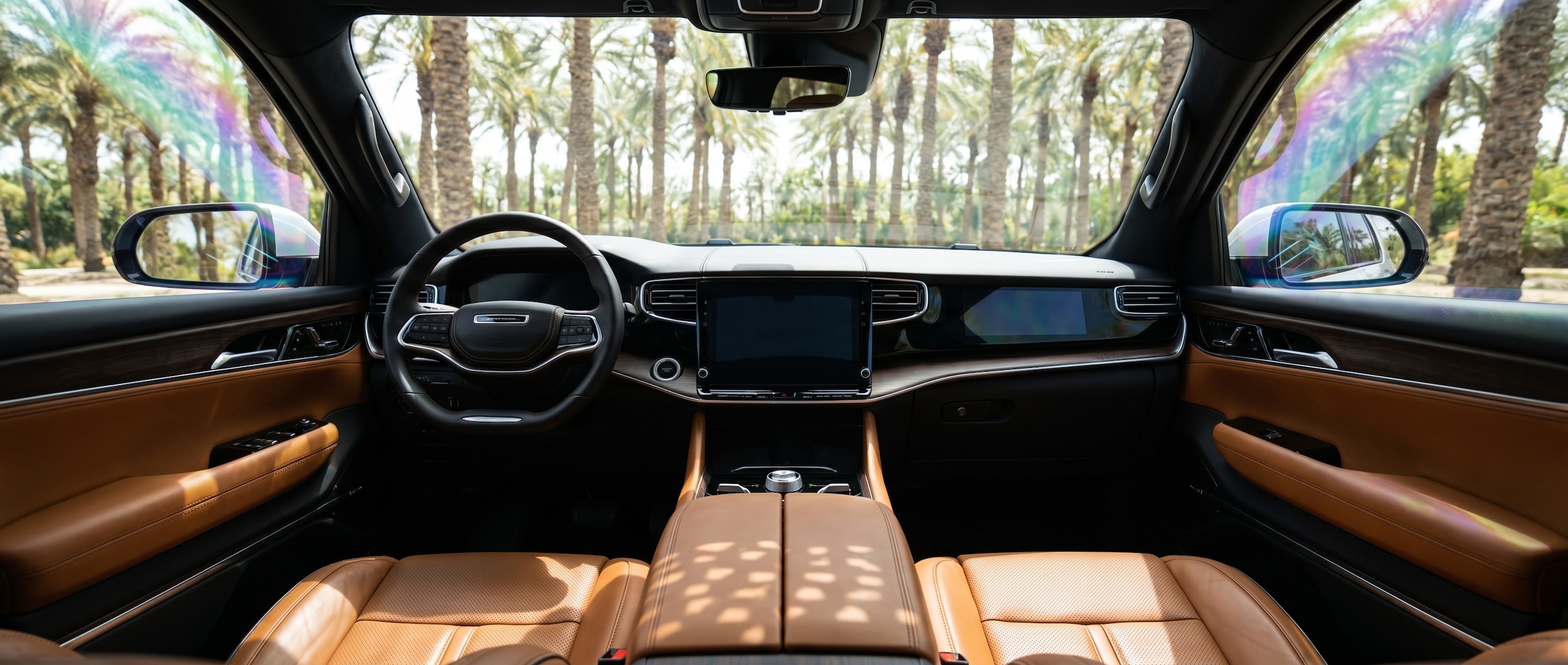
Florida's relentless sunshine can turn premium leather seats into cracked, faded surfaces in just one summer without proper protection. Living in Panama City, FL means dealing with UV index readings that regularly hit 10+ between May and September - that's enough solar radiation to damage unprotected leather in as little as 30 days. Whether you're cruising down Highway 98 toward St. Andrews State Park or parked outside Pier Park for shopping, your vehicle's leather interior faces constant assault from both direct sunlight and heat that can reach 140°F inside a closed vehicle.
Understanding Florida Sun Damage to Vehicle Leather
Your leather seats lose up to 12% of their natural oils every year in Florida's climate - and that's with regular use of the air conditioning. The combination of intense UV radiation, salt air from the Gulf, and extreme temperature swings creates a perfect storm for leather deterioration. Natural leather contains proteins and fats that break down when exposed to UV rays, similar to how your skin burns without sunscreen.
The damage happens in three distinct ways. First, UV rays break down the molecular structure of the leather's protective coating, leaving it vulnerable to further damage. Second, extreme heat causes the leather to dry out and shrink, creating those telltale cracks that start at stress points like seat bolsters. Third, the constant cycle of heating during the day and cooling at night causes the leather to expand and contract repeatedly, weakening its structure.
What makes Panama City particularly challenging is the humidity factor. While dry climates pull moisture from leather gradually, our 70%+ humidity creates surface moisture that amplifies UV damage when the sun hits it. This explains why leather seats here often develop a sticky, degraded feeling before showing visible cracks.
Essential Protection Methods for Your Ram, Jeep, or Dodge
Professional-grade ceramic window tinting blocks up to 99% of harmful UV rays while keeping your interior 15-20 degrees cooler. This investment pays for itself by extending your leather's lifespan by years, not months. For Ram 1500 owners who use their trucks for work, ceramic tinting also protects tools and equipment from sun damage while maintaining visibility for safe towing.
Quality leather conditioner isn't optional in Florida - it's essential maintenance. Apply a UV-protectant leather conditioner every 6-8 weeks during summer months, and monthly if your vehicle sits outside regularly. The key is choosing products specifically designed for automotive leather with SPF protection. Marine-grade leather treatments work exceptionally well in coastal areas like Panama City.
- Weekly: Wipe down with microfiber cloth
- Bi-weekly: Apply UV protectant spray
- Monthly: Deep condition with leather cream
- Quarterly: Professional detailing service
Physical barriers provide immediate protection when your vehicle is parked. Custom-fit sunshades for your specific Chrysler, Dodge, Jeep, or Ram model block direct sunlight better than universal options. Windshield covers should extend past the dash edges to protect the top of your front seats. For maximum protection, combine front and rear window shades.
Daily Habits That Preserve Leather Interiors
Park strategically to minimize sun exposure throughout the day. At St. Andrews State Park, choose spots under the pavilion structures rather than beachfront spaces. When shopping at Panama City Mall, park on the north side of buildings during summer months to avoid afternoon sun. Even partial shade significantly reduces interior temperatures and UV exposure.
Crack your windows slightly when parked securely - just 1-2 inches allows hot air to escape and can reduce interior temperatures by 10-15 degrees. This simple habit prevents the extreme heat buildup that accelerates leather degradation. For added security, consider vent visors that allow windows to remain cracked during brief rain showers common in afternoon thunderstorms.
- ✓ Use windshield shade every time you park
- ✓ Rotate parking positions to vary sun exposure
- ✓ Keep leather wipes in console for weekly cleaning
- ✓ Set phone reminder for monthly conditioning
- ✓ Check for early signs of damage at oil changes
Cover your seats when possible, especially during peak UV hours between 10 AM and 4 PM. Lightweight, breathable seat covers designed for hot climates work better than thick fabric options that trap heat. For Jeep Wrangler owners who remove doors and tops, marine-grade seat covers become essential for protecting leather during open-air driving around Shell Island.
Professional Solutions vs DIY Care
Professional detailing services use commercial-grade products and techniques that penetrate deeper than consumer options. Steam cleaning removes salt buildup that home cleaning might miss, while professional-grade conditioners often contain higher concentrations of UV blockers. A semi-annual professional treatment combined with regular DIY maintenance provides optimal protection.
The investment comparison tells the story. Professional leather restoration for severely damaged seats costs $800-1,500 per vehicle, while preventive professional treatments run $150-300 twice yearly. When you factor in that leather seat replacement can exceed $3,000 for vehicles like the Ram Limited or Grand Cherokee Summit, prevention becomes the clear winner.
DIY care between professional services keeps protection consistent. Focus on high-wear areas like driver's seat bolsters and armrests that see constant use. The leather on these surfaces thins faster, making them more vulnerable to UV damage. Apply extra conditioner to these zones and consider protective films designed for high-contact areas.
Special Considerations for Different Vehicle Types
Convertibles and vehicles with panoramic sunroofs face unique challenges in Florida. The Jeep Wrangler's removable top lifestyle demands marine-grade leather protection products originally developed for boats. These formulations handle direct sun exposure and occasional water contact better than standard automotive products. Apply these treatments more frequently - every 3-4 weeks during summer months.
| Vehicle Type | Primary Concern | Protection Priority |
|---|---|---|
| Ram Trucks | Work use wear + sun | Heavy-duty conditioner |
| Jeep Wrangler | Open-air exposure | Marine-grade products |
| Chrysler 300 | Dark interior heat | Ceramic tint essential |
| Durango | Family use + sun | Stain protection combo |
| Pacifica | Rear seat sun exposure | Rear window shades |
Work trucks like the Ram 2500 HD need industrial-strength protection. Construction sites around Panama City Beach mean exposure to sand, salt air, and intense sun reflection off white sand and concrete. Consider professional-grade leather sealants that create a barrier against both UV rays and job site contaminants. These products last longer under harsh conditions than standard consumer options.
Dark leather interiors in vehicles like the Chrysler 300 or Dodge Challenger absorb more heat than light-colored options. These vehicles benefit most from ceramic window tinting and require more frequent conditioning to prevent drying. Park these vehicles in covered areas whenever possible, as dark leather can reach temperatures 20-30 degrees higher than beige or gray options.
When to Seek Professional Restoration
Early intervention saves money and preserves your vehicle's value. Watch for these warning signs that indicate professional help is needed: leather feeling sticky or tacky to touch, visible color fading especially on seat tops, fine surface cracks appearing at flex points, or leather becoming stiff and board-like. These symptoms indicate UV damage has progressed beyond what consumer products can address.
Professional restoration involves multiple steps consumer products can't replicate. Technicians first deep-clean to remove all contaminants, then sand damaged areas to remove degraded material. They apply commercial-grade dyes that bond molecularly with the leather, followed by protective sealants unavailable to consumers. This process can restore leather that seems beyond saving.
The cost-benefit analysis favors early professional intervention. Minor restoration work costs $200-400 and can extend leather life by 3-5 years. Waiting until damage becomes severe increases costs to $800+ and may still result in shorter lifespan. Schedule professional assessment if you notice any warning signs, as technicians can often prevent minor issues from becoming major problems. Take a look at our new inventory to see how proper leather care maintains that showroom appearance.
Long-Term Leather Care Strategies
Creating a sustainable care routine prevents the cycle of damage and repair. Set calendar reminders for maintenance tasks, making them as routine as oil changes. Keep products in your vehicle for quick applications - a small kit with leather wipes, UV spray, and microfiber cloths fits easily in door pockets or console compartments. This accessibility makes consistent care more likely.
Seasonal adjustments optimize protection year-round. During Panama City's intense summer months (June-September), increase conditioning frequency and always use physical barriers when parked. In winter months (December-February), focus on preventing salt air damage and maintaining flexibility as temperatures occasionally dip below 40°F. Spring requires removing any winter buildup before summer heat arrives.
Document your leather's condition with photos every few months. This visual record helps identify problems early and proves valuable for warranty claims or when selling your vehicle. Well-documented maintenance history can add $500-1,000 to trade-in value for leather-equipped vehicles. Consider keeping receipts from professional treatments as additional documentation. Visit our pre-owned inventory to see how well-maintained leather impacts vehicle value.
Common Questions About Leather Seat Protection in Panama City, FL
How often should I condition my Ram truck's leather seats in Florida's climate?
Condition your Ram's leather seats every 4-6 weeks during Florida's intense summer months and every 6-8 weeks in winter. If you park outside regularly near the Gulf beaches or use your truck for work, increase summer conditioning to every 3-4 weeks to combat salt air and extreme heat exposure.
Does ceramic window tint really protect leather seats from UV damage?
Yes, quality ceramic window tint blocks 99% of UV rays and reduces interior heat by up to 60%, significantly slowing leather deterioration. Professional installation of ceramic tint on a Dodge Durango or Jeep Grand Cherokee typically costs $400-600 but can extend leather life by several years in Panama City's intense sun.
What's the best leather protector for Jeep Wranglers used on Panama City beaches?
Marine-grade leather protectors work best for Jeeps exposed to beach conditions, offering superior protection against UV rays, salt, and moisture. Apply products like 303 Aerospace Protectant or Lexol Marine Leather Care every 3-4 weeks, paying extra attention to seats after driving on St. Andrews State Park beach access roads.
Can faded black leather seats in my Chrysler 300 be restored?
Professional restoration can revive faded black leather using commercial-grade dyes and sealants, typically costing $300-500 per vehicle. Early intervention when fading first appears near Bay County's coastal areas produces better results than waiting until the leather develops cracks or becomes gray.
Should I cover leather seats even inside a garage in Florida?
Yes, cover leather seats even in garages because Florida's humidity and heat still cause gradual deterioration without direct sunlight. Use breathable covers that prevent moisture buildup, especially important in Panama City where garage temperatures can exceed 95°F in summer.
How long do leather seats typically last in Panama City with proper care?
With consistent protection and maintenance, leather seats can last 10-15 years in Panama City's challenging climate. Without protection, Florida sun can cause visible damage in as little as 2-3 years, making preventive care essential for preserving your Chrysler, Dodge, Jeep, or Ram's interior value.
Protecting Your Investment for Years to Come
Your vehicle's leather interior represents a significant investment that Florida's sun challenges daily. The combination of professional treatments, consistent DIY maintenance, and smart daily habits creates a defense system that preserves both appearance and value. Whether navigating the daily commute on Highway 231 or enjoying weekend trips to Camp Helen State Park, protected leather seats maintain their comfort and appearance far longer than neglected ones.
Remember that prevention costs pennies compared to restoration dollars. Start your protection routine today, before visible damage appears. The team at Bay Chrysler Dodge Jeep Ram understands the unique challenges our coastal climate presents and can recommend specific products and services tailored to your vehicle and lifestyle.