





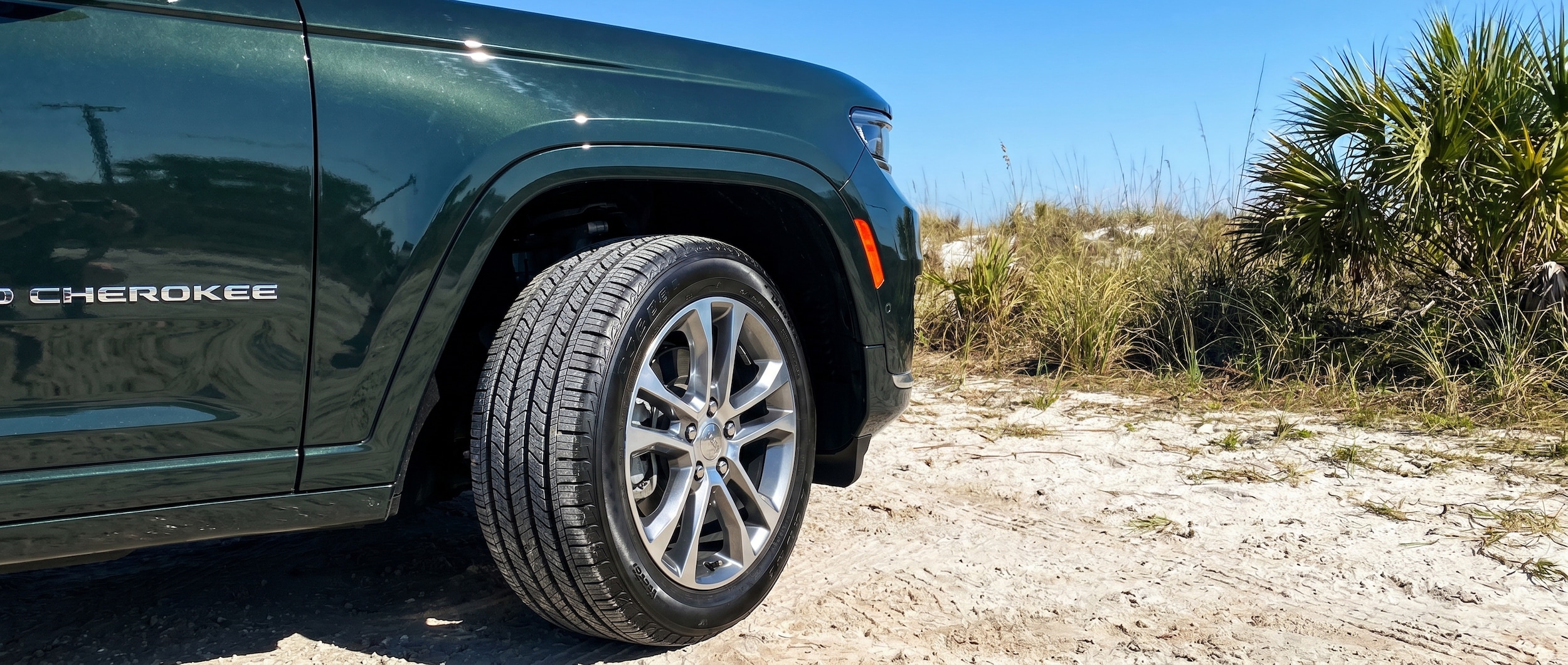
Florida's intense summer heat pushes tire temperatures above 140°F on Panama City, FL highways, accelerating wear by up to 30% compared to cooler months. Whether you're hauling boats to St. Andrews State Park or navigating the daily commute on Highway 98, proper tire maintenance becomes critical when temperatures soar above 90°F for months at a time. This guide reveals exactly how to protect your investment and stay safe on Northwest Florida's scorching roads.
Why Panama City's Summer Heat Demands Special Tire Attention
Your tires face a triple threat during Florida summers: extreme road temperatures that can exceed 160°F, sudden afternoon thunderstorms creating slick conditions, and increased vacation traffic throughout Bay County. The combination of heat and humidity creates unique challenges that drivers in cooler climates never experience.
Hot pavement causes tire pressure to increase by approximately 1 PSI for every 10°F rise in temperature. When you factor in Panama City Beach's average summer highs of 89°F, plus the additional heat generated by driving, your tire pressure can spike 4-6 PSI above the cold reading you checked in your garage.
Did you know? The stretch of Highway 98 between Panama City and Destin sees tire-related incidents increase by 25% during peak summer months, according to Florida Highway Safety data.
This pressure increase affects your Ram 1500's handling differently than your Grand Cherokee's, and understanding these differences helps prevent premature wear and potential blowouts.
Mastering Tire Pressure in Northwest Florida's Climate
Proper tire pressure management starts with checking your tires when they're cold - ideally first thing in the morning before Panama City's humidity kicks in. The recommended pressure listed on your driver's door jamb assumes moderate temperatures, so summer driving requires careful monitoring.
Here's your summer tire pressure checklist:
- Check pressure weekly during summer months
- Always measure when tires are cold (driven less than 1 mile)
- Expect 2-4 PSI increase after highway driving
- Never reduce pressure when tires are hot
- Keep a quality gauge in your vehicle
Summer Pressure Adjustment Guide
| Vehicle Type | Cold PSI Range | Expected Hot Increase | Action Needed |
|---|---|---|---|
| Compass/Cherokee | 32-35 PSI | +3-4 PSI | Monitor weekly |
| Grand Cherokee/Durango | 35-38 PSI | +4-5 PSI | Check before long trips |
| Ram 1500 | 35-40 PSI | +4-6 PSI | Adjust for loads |
| Ram 2500/3500 | 60-80 PSI | +6-8 PSI | Critical monitoring |
The key is finding the sweet spot between proper inflation and accounting for heat expansion. Underinflated tires generate more heat through increased friction, while overinflation reduces your contact patch on rain-slicked roads - both dangerous scenarios on Panama City's summer streets.
Reading Your Tread: The 5-Minute Safety Check
Adequate tread depth becomes even more critical when afternoon thunderstorms hit Panama City Beach and surrounding areas. Your tires need sufficient grooves to channel water away and maintain grip on wet pavement. The minimum legal tread depth is 2/32", but that's barely adequate for Florida's intense summer downpours.
Performing a proper tread check takes just minutes:
Step 1: The Penny Test
Place a penny upside down in multiple tread grooves. If you can see all of Lincoln's head, you need new tires immediately.
Step 2: Check Wear Patterns
Run your hand across the tire width feeling for uneven wear:
- Center wear indicates overinflation
- Edge wear suggests underinflation
- One-sided wear points to alignment issues
Step 3: Look for Heat Damage
Summer heat can cause specific damage patterns:
- Small cracks in the sidewall
- Hardened or glossy rubber appearance
- Bulges or irregular shapes
Pro tip: St. Joseph Bay's salty air accelerates rubber deterioration. Vehicles frequently driven near the coast should have tire inspections every 3,000 miles during summer.
For trucks like the Ram 2500 HD handling heavy loads in summer heat, consider upgrading to tires with deeper tread patterns that better dissipate heat and provide superior wet traction.
Smart Rotation Schedules for Coastal Driving
The combination of hot pavement, sandy conditions near Mexico Beach, and frequent thunderstorms creates unique wear patterns on your tires. Standard rotation intervals don't account for Northwest Florida's demanding summer conditions, which is why local expertise matters.
Rotation Frequency by Vehicle Type
- Front-wheel drive (Pacifica, Compass): Every 5,000 miles
- Rear-wheel drive (Charger, Challenger): Every 6,000 miles
- 4WD/AWD (Grand Cherokee, Ram 1500 4x4): Every 4,000-5,000 miles
- Dually trucks (Ram 3500): Requires specific 6-tire rotation pattern
Your rotation pattern depends on your vehicle's drivetrain:
| Drivetrain | Pattern | Best For | Special Notes |
|---|---|---|---|
| FWD | Forward Cross | Most cars/minivans | Helps even wear |
| RWD | Rearward Cross | Muscle cars, 2WD trucks | Preserves handling |
| 4WD/AWD | X-Pattern | Jeep models, 4x4 trucks | Maintains traction balance |
| Directional | Front-to-Back | Performance tires | Same side only |
Regular rotation becomes even more critical if you frequently drive to Pier Park or haul boats to the Lake Powell area, as these activities create distinct wear patterns that compound in summer heat.
Protecting Your Tires from UV and Heat Damage
Panama City's UV index regularly hits extreme levels during summer, breaking down tire compounds faster than in northern climates. Combined with parking lot temperatures that can exceed 150°F, your tires face constant assault from the sun.
Here's how to maximize tire lifespan in our climate:
Parking Strategies
- Choose shaded spots when possible
- Use windshield sun shades to reduce interior heat
- Consider tire covers for RVs or vehicles in long-term storage
- Rotate parking positions if storing vehicles
Protective Treatments
- Apply tire protectant monthly (water-based only)
- Clean tires regularly to remove brake dust and road chemicals
- Inspect for ozone cracking, especially on vehicles over 5 years old
- Avoid petroleum-based products that accelerate deterioration
The sandy conditions around Camp Helen State Park and Rosemary Beach can accelerate wear if sand particles embed in your tread. Regular cleaning prevents this abrasive damage while allowing you to inspect for other issues.
Did you know? Chrysler's Uconnect system in newer models can monitor tire pressure in real-time and alert you to slow leaks before they become dangerous - especially helpful during long summer road trips.
Recognizing When Summer Heat Has Won
Even with perfect maintenance, Florida summers eventually defeat every tire. Recognizing the warning signs prevents dangerous failures and keeps your family safe on trips to Frank Brown Park or Gulf World.
Critical Warning Signs
- Vibration that wasn't there before
- Pulling to one side on straight roads
- Visible cord or steel belts
- Bubbles or bulges in sidewalls
- Tread depth below 4/32" (replace before 2/32")
- Age over 6 years regardless of tread
The Heat Factor Checklist
- ✓ Increased road noise on Highway 231
- ✓ Longer stopping distances in rain
- ✓ Visible heat cracks in sidewalls
- ✓ Uneven wear despite proper inflation
- ✓ Tire age approaching 5 years
When evaluating replacement options, consider tires designed for hot climates. Many tire manufacturers offer specific compounds that resist heat degradation - invaluable for vehicles regularly crossing the Hathaway Bridge or commuting on Highway 77.
Remember that your Wrangler's off-road adventures at Camp Helen State Park demand different tire characteristics than your Pacifica's highway cruising. Choose replacements based on your actual driving patterns and local conditions.
Common Questions About Summer Tire Care in Panama City, FL
How often should I check tire pressure during Panama City, FL summers?
Check your tire pressure weekly during summer months, always when tires are cold. Panama City's temperature swings between morning and afternoon can cause pressure variations of 4-6 PSI, making regular monitoring essential for safety and tire longevity.
Does the salty air near Panama City Beach affect my Jeep's tires?
Yes, salt air accelerates rubber deterioration and can corrode wheels. Rinse your tires with fresh water weekly if you frequently drive near St. Andrews State Park or Panama City Beach, and inspect for sidewall cracking every oil change.
What's the best tire rotation schedule for a Ram 1500 in Florida heat?
Rotate your Ram 1500's tires every 5,000 miles or with every oil change during summer. Florida's hot pavement causes faster wear on drive wheels, and regular rotation ensures even wear patterns across all four tires.
How long do tires typically last in Northwest Florida's climate?
Most tires last 3-5 years in Panama City's climate, regardless of tread depth. The combination of intense UV exposure, heat, and humidity degrades rubber compounds faster than in cooler regions, making age as important as mileage.
Can I use tire shine products in Florida's summer heat?
Use only water-based tire protectants in Florida heat. Petroleum-based products can accelerate tire degradation when combined with high temperatures, potentially causing premature sidewall cracking on your Chrysler, Dodge, Jeep, or Ram vehicle.
Where can I get professional tire service in Panama City, FL?
Bay Chrysler Dodge Jeep Ram provides comprehensive tire services including pressure checks, rotations, and replacements. Their certified technicians understand local driving conditions and can recommend the best tire options for your specific vehicle and driving patterns.
Keep Your Tires Road-Ready This Summer
Summer tire care in Panama City demands more attention than in cooler climates, but proper maintenance ensures safe travels whether you're heading to Shipwreck Island or towing boats to West Bay. Regular pressure checks, timely rotations, and understanding how our unique climate affects your tires will maximize their lifespan and keep your family safe. When it's time for professional service or replacement tires suited to Northwest Florida's demands, the experts at Bay Chrysler Dodge Jeep Ram can evaluate your needs and get you back on the road with confidence.
Categories:
Social